Preparing your boat for winter storage around Tokyo Bay
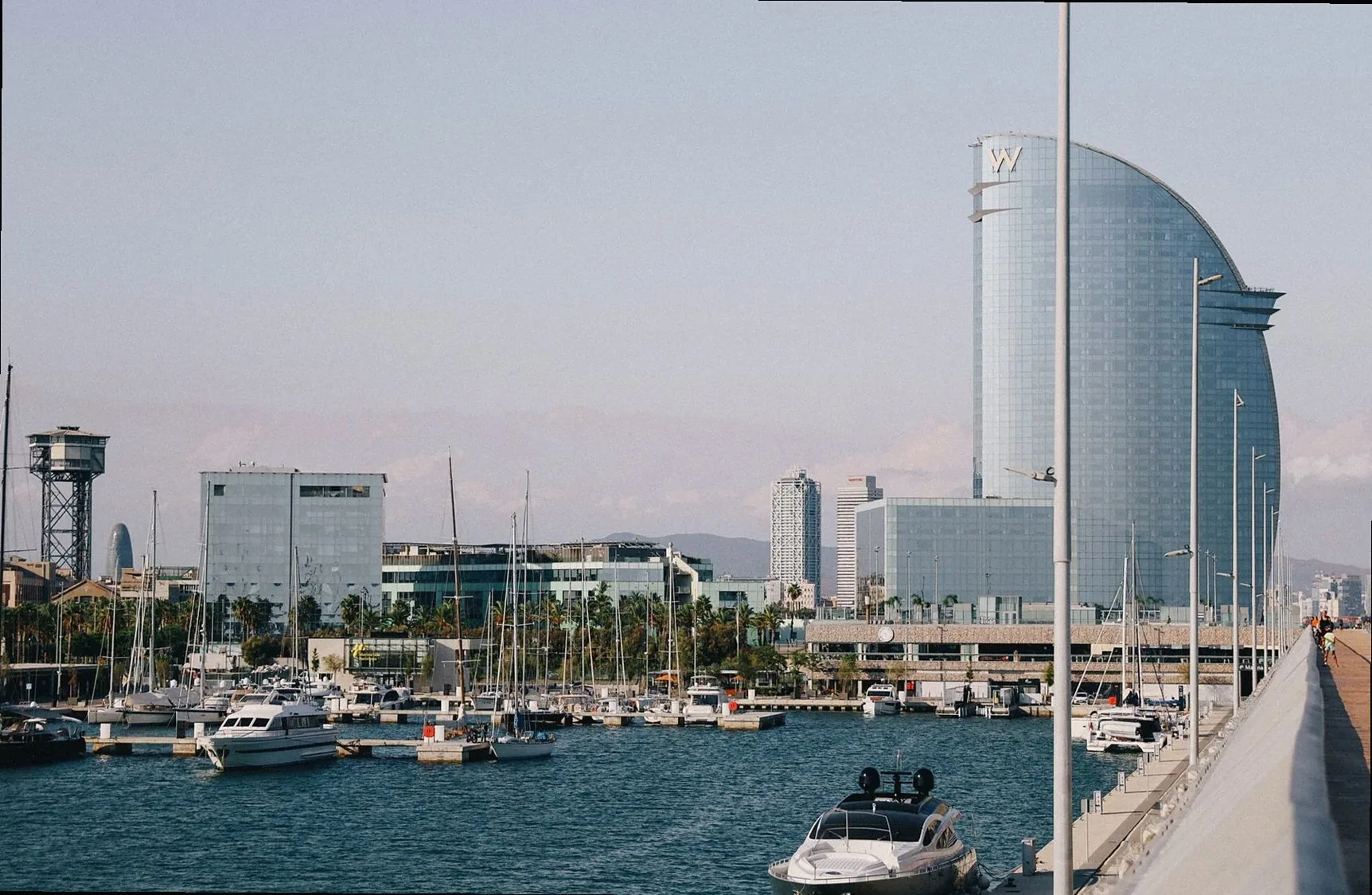
Winterising a boat in Tokyo Bay is not the same as winterising one in Bergen or further south. Temperatures here regularly drop to -15°C or colder between December and February, and the covered storage building, while insulated, is not heated. The steps below are what we recommend to every vessel owner before the boat goes on the hard for the season.
Engine and cooling system
The most common winter damage we see is a cracked heat exchanger or a split raw-water hose caused by residual water freezing in the cooling circuit. Flush the raw-water side of the engine with fresh water, then run antifreeze through the circuit until it comes out at the exhaust. For most inboard diesels this takes about 20 minutes. Tanaka can do this as part of a winterisation service if you prefer not to do it yourself.
Change the engine oil and filter before storage, not in spring. Acidic combustion byproducts in used oil cause corrosion over a long winter. Fresh oil is cheap insurance.
Batteries and electrical systems
Disconnect the battery bank from the boat's electrical system and either remove the batteries to a warmer location or connect a maintenance charger. A battery left discharged in sub-zero temperatures will not recover fully. We found a corroded terminal on a stored vessel during the February condition check last winter. The owner had not disconnected the system and a small parasitic draw had flattened the bank over three months.
Hull and deck
Check the hull for any damage before haul-out, not after. Small osmotic blisters are easier to treat when the hull has had time to dry out over winter. If you find blisters, let Tanaka know when you book the haul-out and we can discuss whether to grind and fill before the antifouling goes on in spring.
Drain all cockpit lockers and the bilge. Leave locker lids slightly open to allow air circulation. A damp, sealed boat over a Japanese winter will have a mould problem by April.
Vessels booked in for winter storage must arrive by 15 October. If you have questions about the process, the harbour office is open daily and we are happy to talk through what your specific vessel needs.